There is a direct relationship between your diet, physical activity, and health. Your nutrition is a key player when it comes to physical, mental, and social well-being. And it’s important for preventing disease.
Benefits of fit body
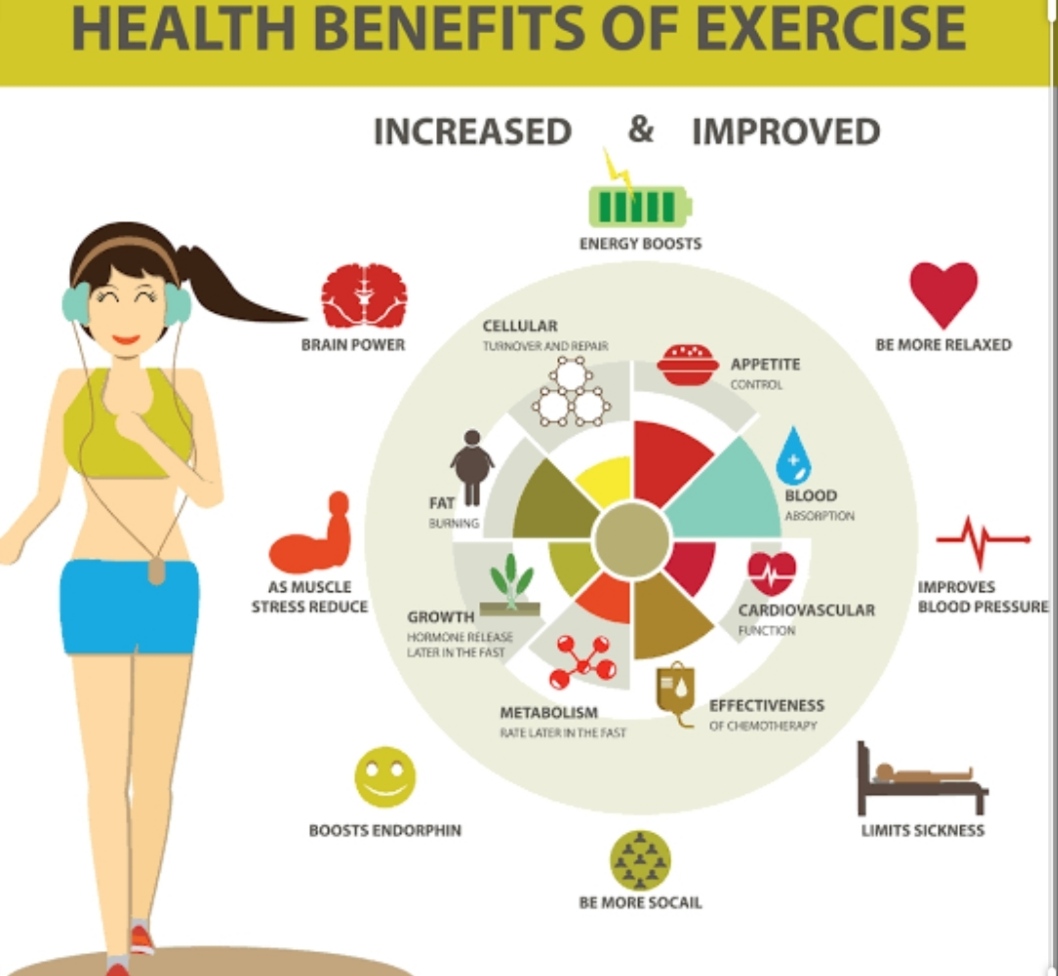
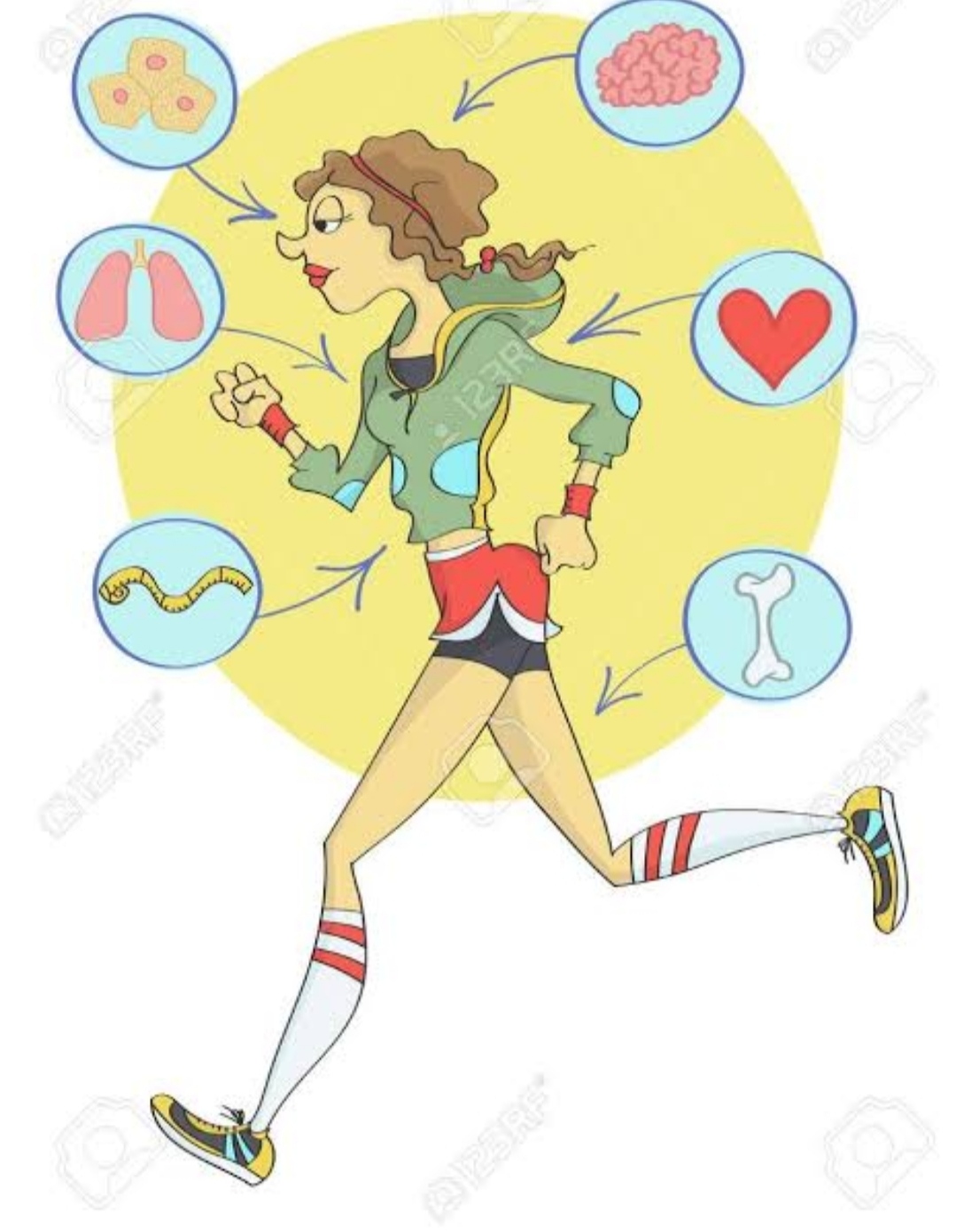
Physically active individuals usually live longer than those who are inactive or may have a risk of heart disease. Inactivity is an important risk factor similar to high blood pressure, smoking, or high cholesterol. These are some benefits of exercise:
How much exercise a week?
- Stress and anxiety relief: Stress and anxiety are rising with the current pandemic, and it can lower your immune response. Exercising releases chemicals in your brain, such as serotonin and endorphins which can help improve your mood, reduce the risk of depression and cognitive decline.
- Weight management: It shouldn’t come as a surprise that regular PA paired with a balanced nutritious diet helps with weight management. Excess weight is associated with higher health risks.
- Reduces health risks and prevents diseases: Regular PA reduces blood pressure as well as risks of serious health issues such as type 2 diabetes, heart disease, and stroke when it’s paired a balanced nutritious diet.
- Bone, muscles, balance, and flexibility: PA also improves bone and muscle strength, and increases balance and flexibility. This is important for everyone, especially older adults because it can prevent falls and injuries. As for children, it aids with growth and development and sets healthy habits for the future.
- Exercise boosts the immune system: Research shows that regular, moderate-intensity exercise has immune-boosting benefits that may help your body fight off infections, including COVID-19.
- Exercise improves sleep: There is evidence that suggests regular exercise helps you fall asleep faster and improves sleep quality — and getting a good night’s sleep has also been found to boost your immune system.
I use the World Health Organization (WHO)’s recommendations on the amount of PA people should do.
- Infants under the age of 1 year: Should be physically active a few times a day.
- Children under 5 years of age: Need moderate to vigorous activity, 180 minutes a day.
- Children and adolescents 5-17 years of age: Need at least 60 minutes of moderate to vigorous PA, including strength activities, at least 3 days a week.
- Adults over age 18: Need at least 150 minutes of moderate-intensity PA throughout the week, or at least 75 minutes of vigorous-intensity PA throughout the week
Here are a few suggestions to help you get moving:


- Exercise with family: Exercise is an excellent opportunity for family fun. Walks, bike rides, dance parties, living-room yoga sessions, or backyard soccer games are just a few examples of how you and your household members can exercise together.
- Get outdoors: Walking, cycling, jogging, and hiking can help you get some much-needed fresh air while staying safely away from others. Don’t have time for a full-length outdoor exercise session? Consider breaking your workout up into several 10-minute sessions. You’ll be surprised at how quickly a few brisk walks around the block can add up to a full workout.
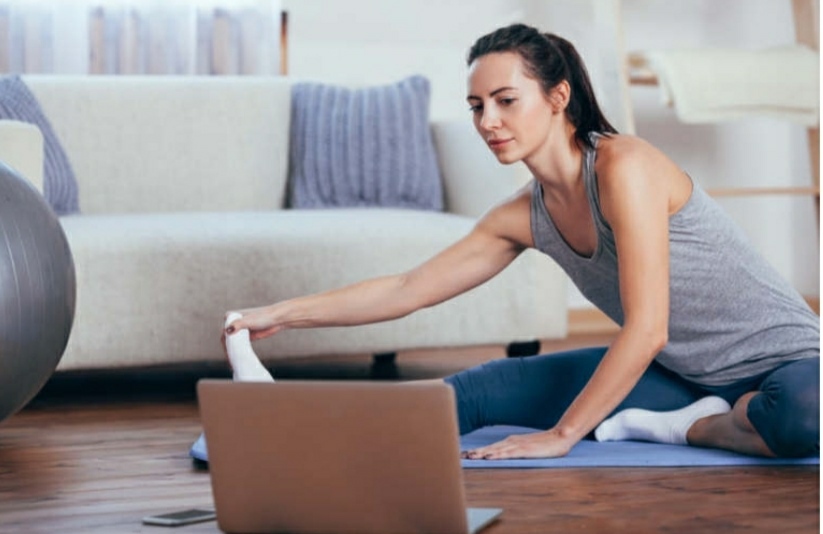
- Follow along with online exercise videos: Whether you enjoy yoga, cardio kickboxing, Pilates, strength training, barre, dance, or another type of workout, chances are you can find a service that offers online videos. Additionally, many exercise studios and other community organizations are now providing on-demand virtual fitness content.
- Take a virtual class: If you have the financial resources, consider supporting your local fitness studio or personal trainer by signing up for online fitness classes or training sessions. Some personal trainers are even offering private virtual sessions customized to your needs, schedule, and preferences. Plus, having a class or training session on your calendar allows you to interact with other people in a fun way, which may be just the motivation you need to keep up with your fitness regime.
- Challenge yourself: Set an exercise goal — such as doing yoga five days per week or beating your best 5K time — and make a plan to work toward achieving it.
- Tackle calorie-burning chores: Chores such as mowing the lawn, working in the garden, washing the car, or cleaning out the garage provide excellent opportunities to build muscles and burn calories. In addition to the sense of accomplishment you will feel after your workout, completing a household task will yield even more feel-good benefits.
 Body fitness