Mudras For Healthy Life

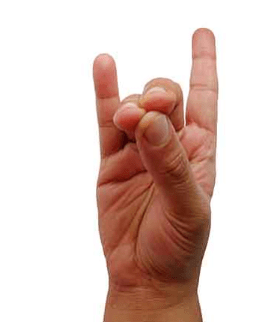
we are pretty sure all of us are worried for our healthy life. To maintain our healthy life many of us joining the yoga classes or take a crash to gym or attend the sessions of zumba classes.First of all we have to know that mudras or yoga are very beneficial for our healthy life. so now we what is mudra?A mudra; Sanskrit: मुद्रा, IAST: mudrā, “seal”, “mark”; Tibetan: ཕྱག་རྒྱ་, THL: chakgya, is a symbolic or ritual gesture or pose in Hinduism, Jainism and Buddhism. While some mudras involve the entire body, most are performed with the hands and fingers. In yogic sense, mudras may be understood as the process that involves the flow of energy within the body through some gesture, posture, etc.

The practice of mudras during yoga and pranayama has been very common in India in religions like Hinduism, Jainism, and Buddhism. Though mudras involve the entire body, most of the mudras are performed using fingers and hands to channel the flow of energy in the body.

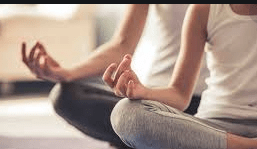
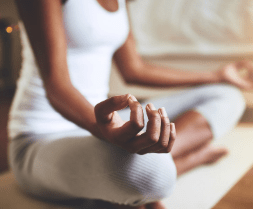
  • Gyan Mudra (Mudra of Knowledge):Gyana Mudra is a mystic position of the thumb and index finger depicting a gesture of supreme knowledge. Since it’s practised with the help of the hands, therefore, it is a type of Hand Gesture (Hasta mudra) in yoga.In Hatha yoga texts, Gyan mudra is described most effective hand gesture that works on uniting the human soul to the ultimate supreme soul.

How to do gyan mudra

  • Sit in a comfortable posture (Sukhasana, Padmasana or any meditative posture). You might practice it in a standing pose (Mountain pose) if you are unable to sit down.
  • Hold your back, chest, and head in a straight position.
  • Relax your whole body and place your hands on your knees in an upward direction.
  • Now fold the index finger of both of hand towards the thumb & join the tip of your index finger with the tip of the thumb. Leave the remaining three fingers extended.
  • Maintain the same arrangement of fingers and put your hands on your knees facing in the upward direction.
  • Relax and close your eyes softly and concentrate on your breath. Inhale and exhale deeply to seep air into the deepest tissues of your body to attain a sense of lightness in your Chitta (or consciousness).
  • Clear all the thoughts in your mind and listen to the vibes of your body. Do not avoid what your soul tries to express you rather face it and harmonise it in yourself.
  • You can chant a mantra or “Om” while exhaling deeply for an ecstatic effect.
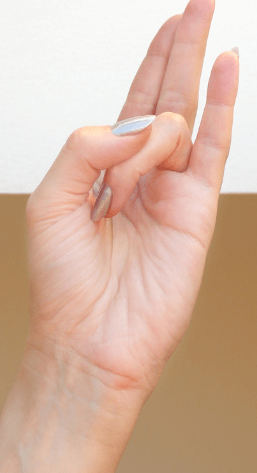
  • Vayu Mudra (Mudra of Air):Vayu Mudra is a hand gestures, practiced to release excess of air from the human body. This relieves one from the symptoms related to aggravation of air element in the body like excessive gas, bloating, arthritis, gout and other pains.

How to do vayu mudra

  • First of all, bring your body into a comfortable sitting posture such as SukhasanaVajrasanaPadmasana, etc. Find your place of relaxation here, one should be still and calm before doing Vayu Mudra.
  • Now, proceed with the deep breathing while keeping the eyes close. Closing of the eyes holds your concentration for further practice, whereas breathing stimulates the prana flow across the body.
  • Begin with the palms facing upside. Fold your index finger in a way that it touches the base of the thumb finger. Further on, pressing it with the thumb finger.
  • However, your index finger might hurt a bit for a while but after some time it will find its way to remain disciplined in the Vayu mudra. After that, extend the rest of the fingers as much as possible.
  • Now, without disturbing the gesture, place your hands on both of your thighs. From here, maintain the steady, calm breathing with OM chanting to add spiritual awareness into your practice.
  • Prithvi Mudra (Mudra of Earth):Prithvi Mudra (Mudra of the Earth) is a gesture of the hands practiced as part of meditation and also as part of therapeutic yoga sequences. In Sanskrit ‘prithvi,’ refers to the ‘earth,’ and ‘mudra,’ refers to ‘gesture of the hands.’ Earth is considered as one of the elements within the body and with the practice of Prithvi Mudra helps to awaken the earth element. For the practice of this mudra the ring fingers and the thumbs are used in both the hands. The ring finger represents the Earth element, whereas the thumb represents the Fire element. The main features of the earth element are; firmness, stability, strength, and stamina, and with the practice of Prithvi Mudra (Mudra of the Earth), it can help keeping these features in balance.

How to do prithvi mudra
Meditation postures like Padmasana, Swastikasana, Siddhasana, etc. are excellent for the practice of mudras.

Properly place your hands
Now, while sitting in a comfortable posture, place the hands with the palms facing upwards on the thighs or above the knees.

Form the Mudra
Now slowly fold your ring finger and tap the tip of the ring finger or Anamika finger to the tip of the thumb with little pressure. And try to keep the rest of the three fingers extended and straight as much as possible. Besides, it should be done with both hands simultaneously.

Maintain the Mudra
Try to maintain the Prithvi Mudra for a minimum of five to ten minutes.
5 Effective Yoga Mudras For Your Healthy Heart

The heart is important because it pumps blood around your body, delivering oxygen and nutrients to your cells and removing waste products. … There are valves between the atria and ventricles that make sure blood flows in one direction through your heart.Keeping your heart healthy is essential for a long and healthy life, and a healthy heart needs a good diet and a proper exercise routine. Yoga is one of the best bets when it comes to your fitness routine. It is a wholesome way of nourishing your body and soul equally. Along with the asanas, there are the mudras, which you can learn quickly. Regular practice of these mudras is known to help in healing various health conditions and also to keep the heart healthy.

5 MUDRAS FOR HEALTHY HEART:-

APANA VAYU MUDRA

Along with strengthening your heart and regularizing palpitations, regular practice of this mudra eases gastric issues. Named as the ‘Mrita Sanjeevani Mudra’, it provides immediate relief to a person suffering from cardiac arrest. It eases the pain and improves blood circulation when under angina attack.

How to Do:

  1. Sit in Padmasana [Lotus Pose].
  2. Stretch your hands outward and allow them to rest on the thighs.
  3. Let the palms face the ceiling.
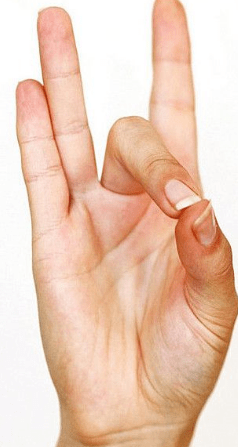
  4. Now, fold your middle and ring fingers towards the palm in such a way that they touch the tip of the thumb.
  5. Fold the index finger inward allowing it to touch the base of the thumb.
  6. The small finger should be stretched outward.
  7. Keep your eyes closed and hold the mudra as long as you want to.

PRANA MUDRA

As the name suggests, this yoga mudra enhances life force. It actually helps in clearing the clogged arteries, lowering the risk associated with cardiovascular conditions. Practicing this mudra daily improves fitness and immunity levels.

How to Do:

  1. Sit in Padmasana [Lotus Pose].
  2. Stretch your hands outward and allow them to rest on the thighs.
  3. Let the palms face the ceiling.
  4. Bend your little finger and ring finger towards the palm and allow their tips to come into contact with the tip of the thumb.
  5. Keep the middle finger and index finger stretched outward.
  6. Keep your eyes closed and hold the Mudra as long as you want to.

SURYA MUDRA

Activate the solar plexus in you and fill you with energy with this easy yoga mudra. It has a positive impact on the functioning of the thyroid gland. Hypothyroidism results in obesity, which in turn, affects the functioning of the heart. Practicing this mudra can help in regulating the functioning of the thyroid gland, in turn safeguarding the health of your heart. It also helps in lowering bad cholesterol levels, shielding your heart from high cholesterol triggered health issues.

How to Do:

  1. Sit in Padmasana [Lotus Pose].
  2. Stretch your hands outward and allow them to rest on the thighs.
  3. Let the palms face the ceiling.
  4. Bend your ring finger inward, the tip resting close to the base of the thumb.
  5. Press the ring finger with your thumb.
  6. The little finger, middle finger, and index finger should be stretched outward.
  7. Keep your eyes closed and hold the Mudra as long as you want to.

LINGA MUDRA

Lingam in Sanskrit denotes phallus –male reproductive organ. This mudra is helpful for those who are suffering from diabetes. Obesity and diabetes are serious health issues that can damage your heart. Practicing this can help in keeping diabetes and weight under control, keeping your cardiac health in top condition.

How to Do:

  1. Sit in Padmasana [Lotus Pose].
  2. Stretch your hands in front of your body.
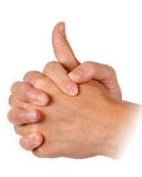
  3. Clasp the hands. Intertwine the fingers.
  4. Make sure that the thumb of the left hand points toward the ceiling.
  5. Using the thumb and index finger of your right hand encircle the left thumb.
  6. Inhale and exhale normally.
  7. Practice for 20 minutes.

GANESHA MUDRA

Christened after Lord Ganesha, the Lord who is known to remove obstacles, this mudra is ideal for people who have high levels of cholesterol as well as for those whose heart is really weak. It opens up your bronchial tubes, paving way for an improved circulation of blood. It opens up the heart chakra and strengthens your heart. A fabulous way to de-stress the distress filled in the heart chakra, it acts as an effective first aid in scenarios of myocardial infarction.

How to Do:

  1. Sit in Padmasana [Lotus Pose].
  2. Stretch your hands outward and allow them to rest on the thighs.
  3. Lift both your arms and keep them at chest level close to the heart.
  4. The palm of the left hand should face outward, while the palm of the right hand should face the left palm.
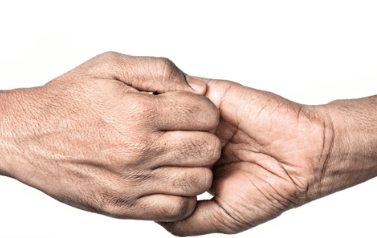
  5. Clasp the fingers of left hand with right hand fingers.
  6. Stretching the palms in opposite ways, take a deep exhalation.
  7. Take a slow, deep inhalation and release the stretch.
  8. Do this six times.
  9. Change the position of the hands [The palm of the right hand should face outward, while the palm of the left hand should face the right palm.
  10. 10. Repeat this six times.

← Back

Thank you for your response. ✨

Warning
Warning
Warning
Warning.

HEADACHE: SYMPTOMS

FACTS ABOUT HEADACHES:-

 Headache and some head pain sometimes can be difficult to describe, but some common symptoms include throbbing, squeezing, constant, unrelenting, or intermittent. The location may be in one part of the face or skull, or may be generalized involving the whole head.

The head is one of the most common sites of pain in the body.

Headache may arise spontaneously or may be associated with activity or exercise. It may have an acute onset or it may be chronic in nature with or without episodes of increasing severity.

Headache is often associated with nausea and vomiting. This is especially true with migraine headaches.

Different types of headaches:-

  • Head pain can be classified as being one of three types: 1) primary headache, 2) secondary headache, and 3) cranial neuralgias, facial pain, and other headaches.
  • Common primary headaches include tension, migraine and cluster headaches.
  • Medication overuse headache (rebound headache) is a condition where frequent use of pain medications can lead to persistent head pain. The headache may improve for a short time after medication is taken and then recur. (The term “rebound headache” has been replaced by the term “medication overuse headache.”)

SYMPTOMS OF HEADACHES:-

  1. STRESS– Pressure or tension that results from a demanding situation. Stress can be physical, emotional etc.
  2. MIGRAINE– A headache of varying intensity .often accompanied by nausea and sensitivity.
  3. TENSION TYPE HEADACHE-A mild to moderate pain .often described as feeling like a tight band around the band.
  4. INFECTION– A disease caused by micro-organisms that invade tissue.
  5. CONCUSSION– A brain injury caused by a blow to the head or a violent shaking of the body and body.

← Back

Thank you for your response. ✨

Warning
Warning
Warning
Warning
Warning
Warning.

THE IMPORTANCE OF STRENGTH TRAINING FOR SENIOR

Strength training is important for everyone, regardless of age. Of course, a strength session will look different for your 75-year-old client as compared to your 25-year-old client, but working on strength is just as important, if not more so for seniors on your client list.

The U.S. Department of Health and Human Services recommends that all adults do some type of strength training that hits all the major muscle groups at least two times per week. If health or ability prevents two full sessions, the recommendation is that older adults should do as much strength training as their abilities allow.1

Even for seniors with limitations, building strength is important and can improve quality of life. Work with your older clients to slowly add in and build up strength training. Focus on warming up, education, good form, breathing, and progressing safely.

Why Strength Training for Seniors is Essential-

The human body changes as we age, of course, and often in ways we don’t like. Even healthy, normal aging includes:

  • A slower metabolism.
  • Decreased muscle mass and strength.
  • Increased body fat.
  • Reduced bone density.
  • Increased bone porosity.
  • Stiffer joints.
  • Slower reflexes and reaction times.
  • Decreased aerobic capacity.

BENEFITS OF EXERCISES

PROTECT YOUR BRAIN-

Muscle strengthening exercises play an important role in keeping our bones strong. This is vital for women who have gone through menopause. The female sex hormone oestrogen protects and maintains bone strength, so after menopause when oestrogen levels drop, so too does a woman’s bone density. On average, women lose up to 10% of bone mass in the first five years after menopause, which puts them at a greater risk of developing osteoporosis.

What’s osteoporosis? It occurs when bones lose minerals (like calcium) more quickly than the body can replace them, this causes the bones to lose density. To help retain bone density, it’s a good idea to do muscle strengthening (more specifically resistance training) once or twice a week, in consultation with your doctor.

Weight training helps to build muscle, placing more load on your bones, and in turn, strengthening them. Resistance training involves using dumbbells, ankle or wrist weights to create resistance. Combining strength training with weight bearing exercise – like running, tennis, walking, tai chi and dance – is the best way to keep your bones strong

SPEED UP YOUR METABOLISM-

The higher your muscle mass, the faster your resting metabolism. By doing regular muscle strengthening exercises the body burns more calories even when it’s resting. That’s weights of weight!

PREVENT YOUR DETERIORATION-

With ageing comes muscle loss. From the age of 50 adults drop 1-2% of muscle mass each year, increasing to 3% for those over 60 . This means over time it’s common to lose strength and stability, and gain weight. Doing regular exercises with weights not only stops muscle mass from decreasing, it also helps rebuild it.

IMPROVE STABILITY-

Feeling steady isn’t something many of us think about but it’s important to be aware of, especially as we get older. Strengthening your muscles earlier in life and incorporating balance and mobility exercises into your exercise routine can help prevent debilitating falls later down the track.

Where to start?

<a href="http://www.amazon.com&quot;

If you’re new to weight training, it’s best to start with slow, simple activities. For strength and stability, getting in and out of a chair repeatedly or lifting small hand weights are a good place to begin. The most important thing is to stay active regularly and to continually feel challenged as your strength and fitness progress.

THE MENTAL HEALTH (BENEFITS OF EXERCISE)

Exercise is not just about aerobic capacity and muscle size. Sure, exercise can improve your physical health and your physique, trim your waistline, improve your sex life, and even add years to your life. But that’s not what motivates most people to stay active.

People who exercise regularly tend to do so because it gives them an enormous sense of well-being. They feel more energetic throughout the day, sleep better at night, have sharper memories, and feel more relaxed and positive about themselves and their lives. And it’s also powerful medicine for many common mental health challenges.

Regular exercise can have a profoundly positive impact on depression, anxiety, ADHD, and more. It also relieves stress, improves memory, helps you sleep better, and boosts your overall mood. And you don’t have to be a fitness fanatic to reap the benefits. Research indicates that modest amounts of exercise can make a difference. No matter your age or fitness level, you can learn to use exercise as a powerful tool to feel better.

Can’t find time to exercise during the week? Be a weekend warrior

A recent study in the United Kingdom found that people who squeeze their exercise routines into one or two sessions during the weekend experience almost as many health benefits as those who work out more often. So don’t let a busy schedule at work, home, or school be an excuse to avoid activity. Get moving whenever you can find the time—your mind and body will thank you!

Even a little bit of activity is better than nothing

If that still seems intimidating, don’t despair. Even just a few minutes of physical activity are better than none at all. If you don’t have time for 15 or 30 minutes of exercise, or if your body tells you to take a break after 5 or 10 minutes, for example, that’s okay, too. Start with 5- or 10-minute sessions and slowly increase your time. The more you exercise, the more energy you’ll have, so eventually you’ll feel ready for a little more. The key is to commit to some moderate physical activity—however little—on most days. As exercising becomes habit, you can slowly add extra minutes or try different types of activities. If you keep at it, the benefits of exercise will begin to pay off

Other tips for staying motivated when you’re also struggling with mental health

Focus on activities you enjoy. Any activity that gets you moving counts. That could include throwing a Frisbee with a dog or friend, walking laps of a mall window shopping, or cycling to the grocery store. If you’ve never exercised before or don’t know what you might enjoy, try a few different things. Activities such as gardening or tackling a home improvement project can be great ways to start moving more when you have a mood disorder—as well as helping you become more active, they can also leave you with a sense of purpose and accomplishment.

Be comfortable. Whatever time of day you decide to exercise, wear clothing that’s comfortable and choose a setting that you find calming or energizing. That may be a quiet corner of your home, a scenic path, or your favorite city park.

Reward yourself. Part of the reward of completing an activity is how much better you’ll feel afterwards, but it always helps your motivation to promise yourself an extra treat for exercising. Reward yourself with a hot bubble bath after a workout, a delicious smoothie, or with an extra episode of your favorite TV show.

Make exercise a social activity. Exercising with a friend or loved one, or even your kids, will not only make exercising more fun and enjoyable, it can also help motivate you to stick to a workout routine. You’ll also feel better than if you were exercising alone. In fact, when you’re suffering from a mood disorder such as depression, the companionship can be just as important as the exercise.

Processing…
Success! You're on the list.

BENEFITS OF WALKING

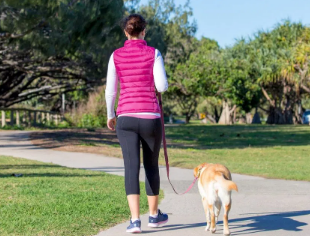
Walking is a great way to improve or maintain your overall health. Just 30 minutes every day can increase cardiovascular fitness, strengthen bones, reduce excess body fat, and boost muscle power and endurance. It can also reduce your risk of developing conditions such as heart disease, type 2 diabetes, osteoporosis and some cancers. Unlike some other forms of exercise, walking is free and doesn’t require any special equipment or training.

Physical activity does not have to be vigorous or done for long periods in order to improve your health. A 2007 study of inactive women found that even a low level of exercise – around 75 minutes per week – improved their fitness levels significantly, when compared to a non-exercising group.

Walking is low impact, requires minimal equipment, can be done at any time of day and can be performed at your own pace. You can get out and walk without worrying about the risks associated with some more vigorous forms of exercise. Walking is also a great form of physical activity for people who are overweight, elderly, or who haven’t exercised in a long time.

Walking for fun and fitness isn’t limited to strolling by yourself around local neighbourhood streets. There are various clubs, venues and strategies you can use to make walking an enjoyable and social part of your lifestyle.

Safety suggestions while walking

Walking is generally a safe way to exercise, but look out for unexpected hazards. Suggestions include:

  • See your doctor for a medical check-up before starting a new fitness program, particularly if you are aged over 40 years, are overweight or haven’t exercised in a long time.
  • Ensure you read through the pre-exercise self-screening tool
  • Choose walks that suit your age and fitness level. Warm up and cool down with a slow, gentle walk to ease in and out of your exercise session.
  • Wear loose, comfortable clothing, and appropriate footwear to avoid blisters and shin splints.
  • Wear sunglasses, sunscreen, long sleeves and a hat to avoid sunburn.
  • Take waterproof clothing to avoid getting wet if it rains.
  • Carry a walking stick or umbrella to fend off unleashed, unfriendly dogs.
  • Before bushwalking, check the weather forecast and take appropriate safety measures (for example, pack correct clothing).
  • Look out for hazards in alpine or coastal areas, such as cliff edges or large waves.
  • Drink plenty of fluids before and after your walk. If you are taking a long walk, take water with you.

Health benefits of walking

You carry your own body weight when you walk. This is known as weight-bearing exercise. Some of the benefits include:

  • increased cardiovascular and pulmonary (heart and lung) fitness
  • reduced risk of heart disease and stroke
  • improved management of conditions such as hypertension (high blood pressure), high cholesterol, joint and muscular pain or stiffness, and diabetes
  • stronger bones and improved balance
  • increased muscle strength and endurance
  • reduced body fat.

HOW TO AVOID HEAT- RELATED ILLNESS

Heat exhaustion is a condition whose symptoms may include heavy sweating and a rapid pulse, a result of your body overheating. It’s one of three heat-related syndromes, with heat cramps being the mildest and heatstroke being the most severe.

Causes of heat exhaustion include exposure to high temperatures, particularly when combined with high humidity, and strenuous physical activity. Without prompt treatment, heat exhaustion can lead to heatstroke, a life-threatening condition. Fortunately, heat exhaustion is preventable.

SYMPTOMS

Signs and symptoms of heat exhaustion may develop suddenly or over time, especially with prolonged periods of exercise. Possible heat exhaustion signs and symptoms include:

  • Cool, moist skin with goose bumps when in the heat
  • Heavy sweating
  • Faintness
  • Dizziness
  • Fatigue
  • Weak, rapid pulse
  • Low blood pressure upon standing
  • Muscle cramps
  • Nausea
  • Headache

Other causes

Besides hot weather and strenuous activity, other causes of heat exhaustion include:

  • Dehydration, which reduces your body’s ability to sweat and maintain a normal temperature
  • Alcohol use, which can affect your body’s ability to regulate your temperature
  • Overdressing, particularly in clothes that don’t allow sweat to evaporate easily

Risk factors

Anyone can develop heat exhaustion, but certain factors increase your sensitivity to heat. They include:

  • Young age or old age. Infants and children younger than 4 and adults older than 65 are at higher risk of heat exhaustion. The body’s ability to regulate its temperature isn’t fully developed in the young and may be reduced by illness, medications or other factors in older adults.
  • Certain drugs. Medications that affect your body’s ability to stay hydrated and respond appropriately to heat include some used to treat high blood pressure and heart problems (beta blockers, diuretics), reduce allergy symptoms (antihistamines), calm you (tranquilizers), or reduce psychiatric symptoms such as delusions (antipsychotics). Additionally, some illegal drugs, such as cocaine and amphetamines, can increase your core temperature.
  • Obesity. Carrying excess weight can affect your body’s ability to regulate its temperature and cause your body to retain more heat.
  • Sudden temperature changes. If you’re not used to the heat, you’re more susceptible to heat-related illnesses, such as heat exhaustion. Traveling to a warm climate from a cold one or living in an area that has experienced an early heat wave can put you at risk of a heat-related illness because your body hasn’t had a chance to get used to the higher temperatures.
  • A high heat index. The heat index is a single temperature value that considers how both the outdoor temperature and humidity make you feel. When the humidity is high, your sweat can’t evaporate as easily and your body has more difficulty cooling itself, making you prone to heat exhaustion and heatstroke. When the heat index is 91 F (33 C) or higher, you should take precautions to keep cool.

Processing…
Success! You're on the list.

SYMPTOMS OF HYPERTENSION

WHAT IS HYPERTENSION?

The heart is a muscle that pumps blood around the body. As it travels, the blood delivers oxygen to the body’s vital organs.

Sometimes, a problem in the body makes it harder for the heart to pump the blood. This could happen, for example, if an artery becomes too narrow.

Persistent high blood pressure can put a strain on the walls of the arteries. This can lead to a variety of health problems, some of which can be life threatening.

High blood pressure chart

The chart below shows measures for normal and high blood pressure, according to the American Heart Association (AHA).

Doctors measure blood pressure in millimeters of mercury (mm Hg).

Systolic pressure measures the pressure in the arteries as the heart contracts and is the top number on a blood pressure reading. Diastolic, which is the lower number, represents the blood pressure when the heart is resting between beats.

Systolic (mm Hg)Diastolic (mm Hg)
NormalBelow 120Below 80
Elevated (hypertension)120–129Below 80
Stage 1 hypertension130–13980–90
Stage 2 hypertension140 or above90 or above
Hypertensive crisisOver 180Over 120
CHART

Signs and symptoms

Most people with high blood pressure will not experience any symptoms, which is why people often call hypertension the “silent killer.”

However, once blood pressure reaches about 180/120 mm Hg, it becomes a hypertensive crisis, which is a medical emergency.

At this stage, a person may have:

Anybody who experiences these symptoms should see their doctor immediately.

Symptoms in women

Hormonal factors mean that the risk of high blood pressure may be different in males and females.

Factors that can increase the risk of high blood pressure in females include:

During pregnancy, high blood pressure can be a sign of preeclampsia, a potentially dangerous condition that can affect the woman and her unborn baby.

Symptoms of preeclampsia include:

  • headaches
  • vision changes
  • abdominal pain
  • swelling due to edema

All women should follow the guidelines for screening and attend all health checks, especially during pregnancy.

Symptoms in teens

Teenagers can develop high blood pressure due to obesity or an underlying medical condition.

Possible medical factors include:

  • aspects of metabolic syndrome, such as type 2 diabetes
  • kidney disease
  • endocrine disease, which affects the hormones
  • vascular disease, which affects the blood vessels
  • a neurological condition

These conditions may have symptoms of their own.

The symptoms of high blood pressure, if they occur, will be the same as for other groups.

Symptoms in children

High blood pressure can affect children. Having obesity and diabetes increases the risk, but it can also be a sign of:

  • tumor
  • heart problems
  • kidney problems
  • thyroid problems
  • a genetic condition, such as Cushing’s syndrome

As with adults, high blood pressure often does not cause symptoms in children.

However, if symptoms do occur, they may include:

  • a headache
  • fatigue
  • blurred vision
  • nosebleeds

They may also have signs of another condition.

Symptoms in babies

Newborns and very young babies can sometimes have high blood pressure due to an underlying health condition, such as kidney or heart disease.

Symptoms may include:

  • a failure to thrive
  • seizures
  • irritability
  • lethargy
  • respiratory distress

HYPERTENSION

Today we discuss about hypertension,hypertension is also known as high blood pressure.

OVERVIEW

A condition in which the force of the blood against the artery walls is too high.Usually hypertension is defined as blood pressure above 140/90, and is considered severe if the pressure is above 180/120.High blood pressure often has no symptoms. Over time, if untreated, it can cause health conditions, such as heart disease and stroke.

  • A stroke is a medical emergency.Symptoms of stroke include trouble walking, speaking and understanding, as well as paralysis or numbness of the face, arm or leg.

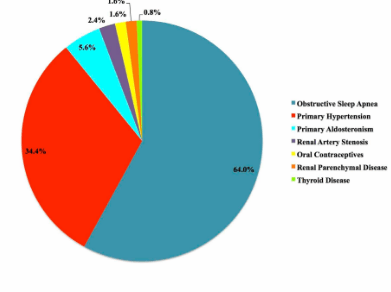
THE MOST PREVALENT CAUSES OF SECONDARY HYPERTENSION

Eating a healthier diet with less salt, exercising regularly and taking medication can help lower blood pressure.

High blood pressure (hypertension) can quietly damage your body for years before symptoms develop. Uncontrolled high blood pressure can lead to disability, a poor quality of life, or even a fatal heart attack or stroke.

Treatment and lifestyle changes can help control your high blood pressure to reduce your risk of life-threatening complications.

High blood pressure emergencies

High blood pressure is usually a chronic condition that gradually causes damage over the years. But sometimes blood pressure rises so quickly and severely that it becomes a medical emergency requiring immediate treatment, often with hospitalization.

In these situations, high blood pressure can cause:

  • Memory loss, personality changes, trouble concentrating, irritability or progressive loss of consciousness
  • Stroke
  • Severe damage to your body’s main artery (aortic dissection)
  • Chest pain
  • Heart attack
  • Sudden impaired pumping of the heart, leading to fluid backup in the lungs resulting in shortness of breath (pulmonary edema)
  • Sudden loss of kidney function
  • Complications in pregnancy (preeclampsia or eclampsia)
  • Blindness

FITNESS TIPS FOR BEGINNERS

“Exercise is the magic pill,” says Michael R. Bracko, EdD, FACSM, chairman of the American College of Sports Medicine’s Consumer Information Committee. “Exercise can literally cure diseases like some forms of heart disease. Exercise has been implicated in helping people prevent or recover from some forms of cancer. Exercise helps people with arthritis. Exercise helps people prevent and reverse depression.”

Exercising regularly is one of the best things you can do for your health.

Soon after you start exercising, you’ll begin to see and feel the benefits that physical activity can have on your body and well-being.

However, working exercise into your routine takes a lot of determination, and sticking to it in the long term requires discipline.

A Few Tips for Beginners

1. Stay Hydrated

Drinking fluids throughout the day is essential for maintaining healthy hydration levels.

Replenishing fluids during exercise is important for maintaining optimal performance, especially when exercising in hot temperatures .

Moreover, hydrating after your workout can help you recover and get you ready for your next training session .

2. Optimize Your Nutrition

Be sure to consume a balanced diet to support your fitness program.

All food groups are necessary to sustain healthy energy levels and get the most out of your workout. Carbs are particularly important, as they can fuel your muscles before exercise .

Carbs are also important after exercise to replenish glycogen stores and assist the absorption of amino acids into your muscles during recovery .

Additionally, protein improves muscle recovery after exercise, repairs tissue damage and builds muscle mass.

Lastly, regularly consuming healthy fats has been shown to help burn body fat and preserve muscle fuel during workouts, making your energy .

3. Warm Up

It’s important to warm up before your workout. Doing so can help prevent injuries and improve your athletic performance .

It can also improve your flexibility and help reduce soreness after your workout .

Simply start your workout with some aerobic exercises like arm swings, leg kicks and walking lunges.

Alternatively, you can warm up by doing easy movements of the exercise you are planning to do. For example, walk before you run.

4. Cool Down

Cooling down is also important because it helps your body return to its normal state.

Taking a couple of minutes to cool down can help restore normal blood circulation and breathing patterns and even reduce the chance of muscle soreness.

Some cool-down ideas include light walking after aerobic exercise or stretching after resistance training.

5. Listen to Your Body

If you’re not used to working out every day, be mindful of your limits.

If you feel pain or discomfort while exercising, stop and rest before continuing. Pushing through the pain is not a good idea, as it can cause injuries.

Also, remember that working out harder and faster is not necessarily better.

Taking your time to progress through your fitness program can help you maintain your routine in the long term and make the most of it.

SUMMARY:Be sure to stay hydrated, eat a balanced diet, warm up before exercising, cool down afterward and listen to your body.

Processing…
Success! You're on the list.

https://amzn.to/2Z9ckCx

Design a site like this with WordPress.com
Get started